How to Prevent Kitchen Drain Clogs: Expert Tips to Avoid Costly Plumbing Repairs
A clogged kitchen drain is a common and frustrating problem that can really disrupt your daily routine. Over time, things like food scraps, grease, soap residue, and other gunk can accumulate, leading to slow drainage or even complete blockages. It’s much easier to prevent clogs than to deal with them after they’ve formed.
This article from Happy Birthday Wishes SMS explores what causes kitchen drain clogs and shares some handy prevention tips, along with expert solutions to keep your drains clear and working well. By developing good habits and using the right tools, you can keep your plumbing system running smoothly and steer clear of those annoying plumbing emergencies.
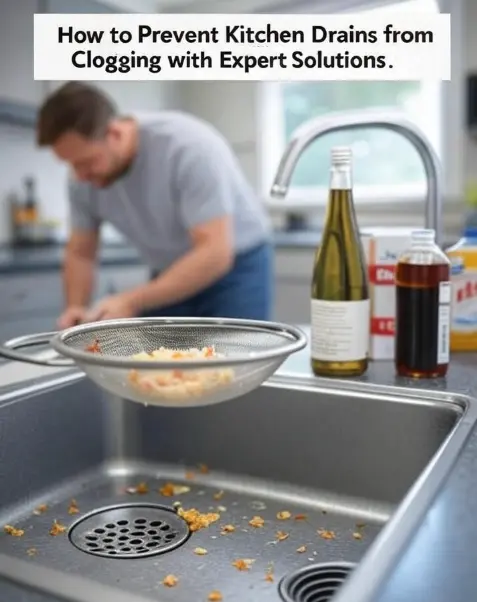
Why Do Kitchen Drain Clogs?
Before diving into prevention methods, it’s essential to understand why kitchen drains clog. The kitchen sink is one of the most heavily used fixtures in a home, handling everything from food scraps to grease and soap residue. Here are the primary culprits behind clogged kitchen drains:
Grease and Oil Buildup: Cooking oils, fats, and grease are notorious for sticking to the inside of pipes. Over time, these substances solidify, narrowing the pipe and trapping other debris.
Food Scraps: Bits of food, especially starchy or fibrous items like rice, pasta, potato peels, or celery, can accumulate and create blockages.
Soap Residue: Dish soap, when combined with grease or food particles, can form a sticky residue that clings to pipes.
Coffee Grounds: These gritty particles don’t break down easily and can settle in pipes, contributing to clogs.
Foreign Objects: Small utensils, bottle caps, or other items accidentally washed down the drain can obstruct water flow.
Hair and Debris: While more common in bathroom drains, hair from pet grooming or other activities in the kitchen can also contribute to clogs.
Understanding these causes helps you adopt habits and strategies to prevent clogs before they start.
Preventive Measures to Keep Drains Clear
Preventing kitchen drain clogs involves a combination of good habits, regular maintenance, and the right tools. Below are practical steps you can take to minimize the risk of blockages.
Be Mindful of What Goes Down the Drain
The simplest way to prevent clogs is to limit what enters your kitchen drain. Follow these guidelines:
Avoid Pouring Grease Down the Drain: Never pour cooking oil, bacon fat, or butter down the sink. Instead, collect grease in a heat-safe container, let it cool, and dispose of it in the trash. For small amounts, wipe greasy pans with a paper towel before washing.
Use a Sink Strainer: Install a fine-mesh sink strainer to catch food scraps, coffee grounds, and other debris before they enter the drain. Empty the strainer into the trash or compost bin regularly.
Scrape Plates Thoroughly: Before washing dishes, scrape food scraps into the trash or compost. Avoid rinsing large amounts of food down the drain, even if you have a garbage disposal.
Limit Starchy and Fibrous Foods: Foods like rice, pasta, potato peels, and celery are prone to swelling or tangling in pipes. Dispose of these in the trash or compost instead of the sink.
Run Hot Water Regularly
Hot water is a simple yet effective tool for preventing grease buildup. After washing dishes or cooking greasy foods, run hot tap water (not boiling) through the drain for 15–30 seconds. This helps flush grease and small particles through the pipes before they can solidify. For an added boost, add a small amount of dish soap to break down oils.
Flush Drains with Vinegar and Baking Soda
A natural cleaning solution of vinegar and baking soda can help keep drains clear by breaking down minor grease and residue buildup. According to drain specialist Jeffrey Lutz, “Enzymatic cleaners are great for monthly use and prevent the slow buildup that causes major clogs.” Here’s how to do it:
Pour ½ cup of baking soda down the drain.
Follow with 1 cup of white vinegar. The mixture will fizz as it reacts, helping to loosen debris.
Let it sit for 10–15 minutes.
Flush the drain with a pot of hot water (not boiling, to avoid damaging PVC pipes).
Perform this routine once a month to maintain clean pipes. While this method isn’t strong enough to clear major clogs, it’s excellent for prevention.
By using some smart strategies—like avoiding grease, using strainers, and disposing of food waste properly—you can keep your drains in great shape. Regularly flushing with hot water and using natural cleaners can also help keep your pipes clear, while getting a professional inspection can ensure everything is working as it should. By taking these proactive steps now, you can enjoy a smoother-running kitchen and steer clear of unnecessary expenses and headaches later on.


Comments
Post a Comment